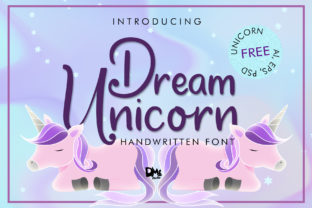
Introducing Dream Unicorn: A Charming Handwritten Font
As I sat down to redesign the header for my lifestyle blog, I found myself drawn to a new font that promised both charm and versatility. Dream Unicorn, with its sweet and playful handwritten style, seemed like the perfect choice to breathe new life into my digital space.
A Typeface with Personality and Charm
Dream Unicorn is a lovely, cute, and sweet handwritten font that brings a unique and whimsical touch to any project. Its flowing, hand-drawn lines and gentle curves give it a natural, organic feel, making it ideal for creating a warm and inviting editorial mood. The font's rhythm and personality are evident in every stroke, adding a touch of magic to any design.
Perfect for Captivating Headlines and Titles
One of the standout features of Dream Unicorn is its ability to capture attention. When used in blog headers, article titles, or magazine covers, it immediately draws the reader's eye. For my blog, I decided to use Dream Unicorn for the main title, paired with a clean sans serif font for the tagline. This combination not only enhanced the visual hierarchy but also created a balanced and harmonious look.
Enhancing Visual Hierarchy and Reader Engagement
In editorial design, visual hierarchy is crucial for guiding the reader through the content. Dream Unicorn excels in this area, especially when used for section headings, pull quotes, and chapter openers. In a recent recipe ebook I designed, I used Dream Unicorn for the recipe titles and section headings, while a readable serif font was used for the body text. This approach not only made the content more engaging but also supported readability and consistency.
Practical Considerations for Readability and Use
While Dream Unicorn is a delightful choice for titles and decorative accents, it may not be the best option for longer reading or small captions. The expressive nature of the font can sometimes make it less suitable for dense paragraphs or formal reports. However, it shines in creative contexts such as worksheets, printable guides, and editorial layouts where a touch of whimsy is appreciated.
Font Pairing and Editorial Design
To create a cohesive and professional look, consider pairing Dream Unicorn with a more traditional typeface. A classic serif font, such as Garamond or Caslon, can provide a stable and readable base for body copy, while a clean sans serif font, like Helvetica or Arial, can be used for captions and navigation. This mix of styles ensures that the overall design is both visually appealing and functional.
Before using Dream Unicorn in your projects, be sure to check the included styles, alternates, ligatures, and weights. Additionally, verify the multilingual support and file formats to ensure they meet your needs. If you plan to use the font in commercial projects, such as ebooks, templates, printables, or client publications, confirm the commercial licensing terms.
Conclusion
Dream Unicorn is a premium font that adds a special touch to any editorial design. Whether you're working on a lifestyle blog, a recipe ebook, or a digital magazine, this charming handwritten font can help you create a unique and engaging publication identity. With thoughtful font pairing and practical considerations, Dream Unicorn can be a valuable asset in your design toolkit.